German Shepherd
The Ultimate Working Dog - Intelligent, loyal, and versatile breed known for its exceptional trainability and protective nature.
GROUP
Herding
SIZE
Large
WEIGHT
75-95 lbs
LIFESPAN
9-13 years
Key Characteristics
The German Shepherd is a breed renowned for its intelligence, loyalty, and versatility. Originally developed for herding sheep, this breed has excelled in various roles including police work, search and rescue, military service, and as a guide dog for the visually impaired.
Known for their strong work ethic and exceptional trainability, German Shepherds are often considered one of the most intelligent dog breeds. They form deep bonds with their families and are known for their protective instincts, making them excellent guard dogs and family companions.
Fun Fact: German Shepherds are often used in search and rescue operations due to their excellent sense of smell, stamina, and ability to work in challenging environments.
Appearance
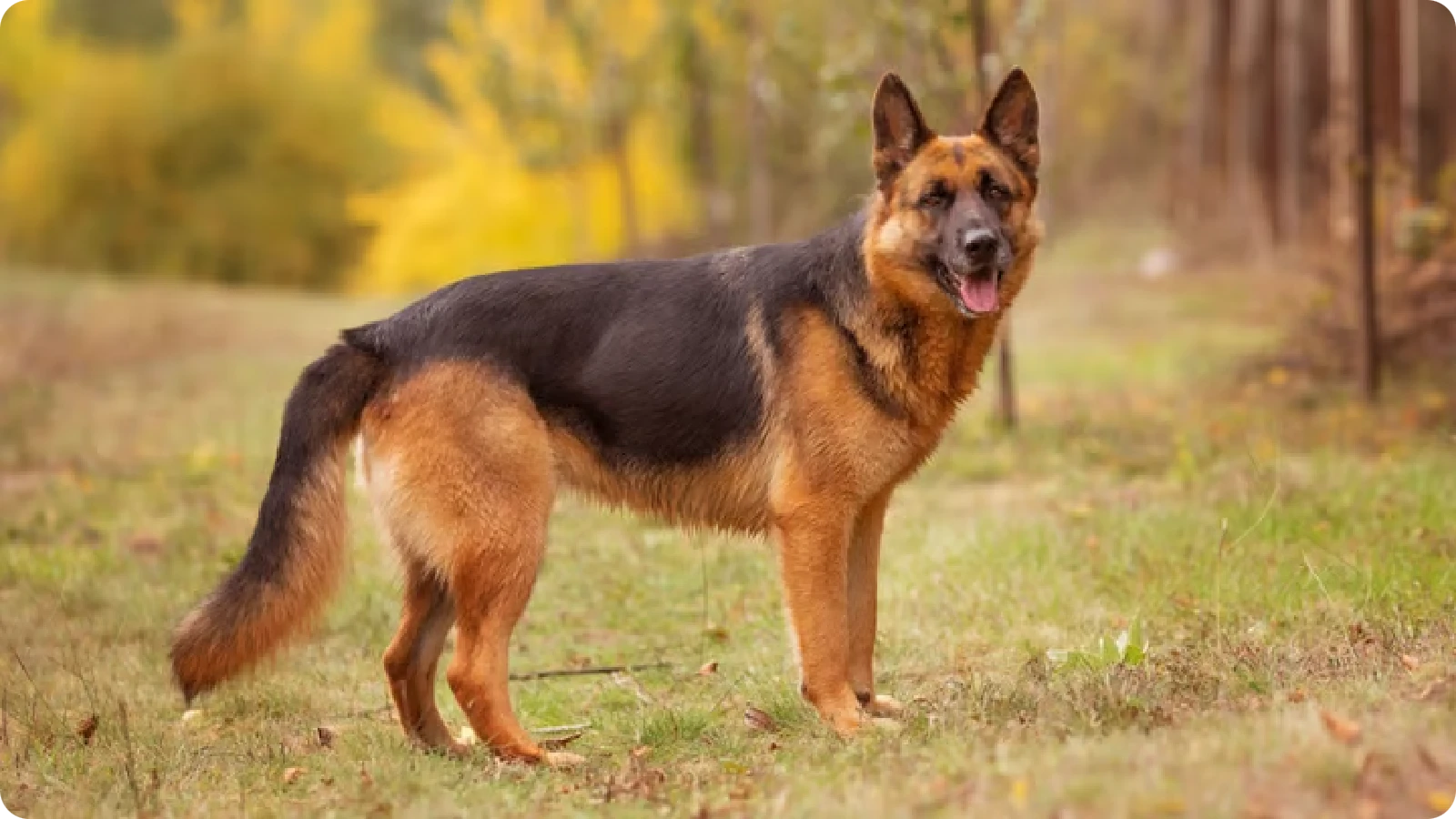
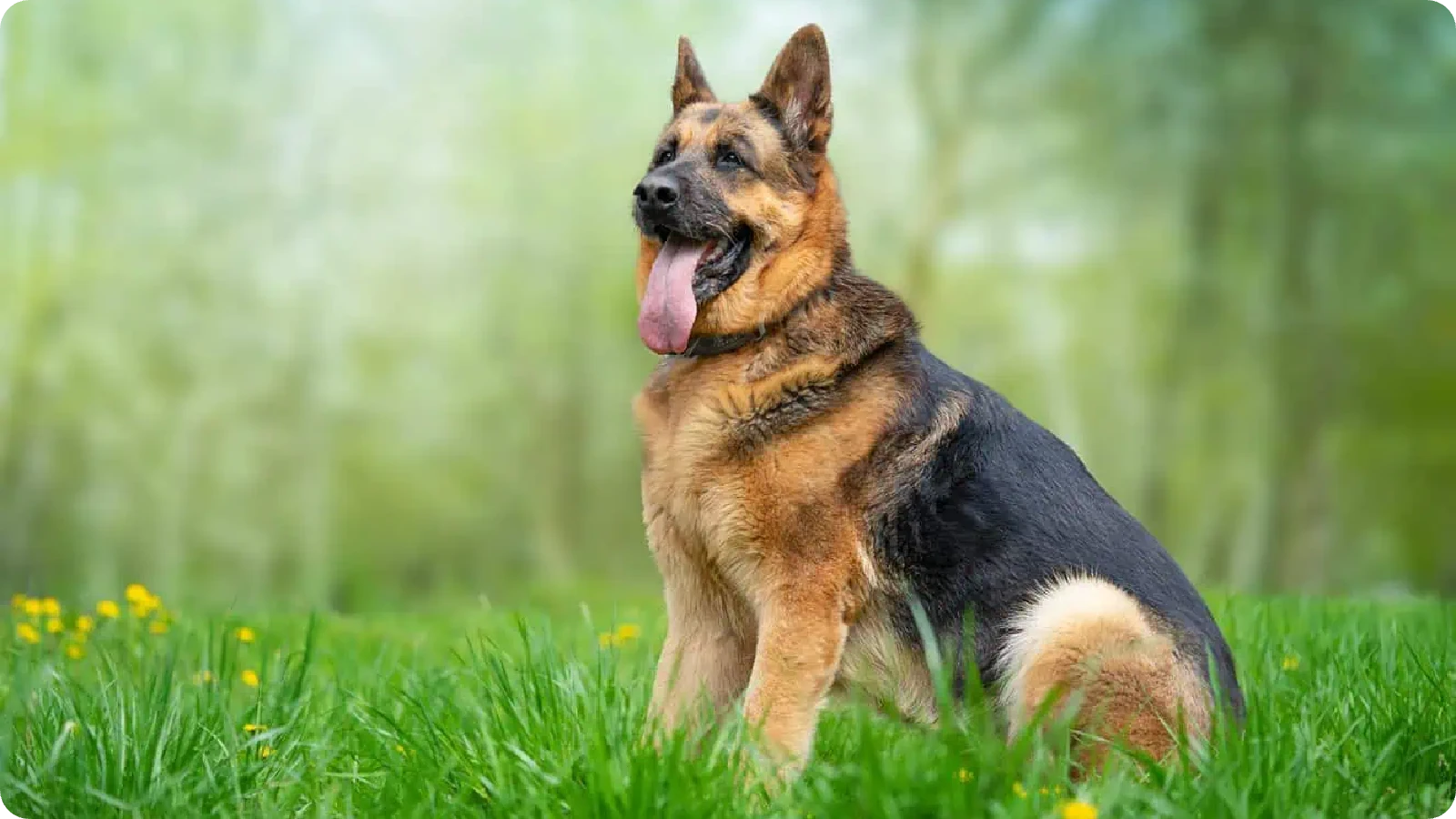
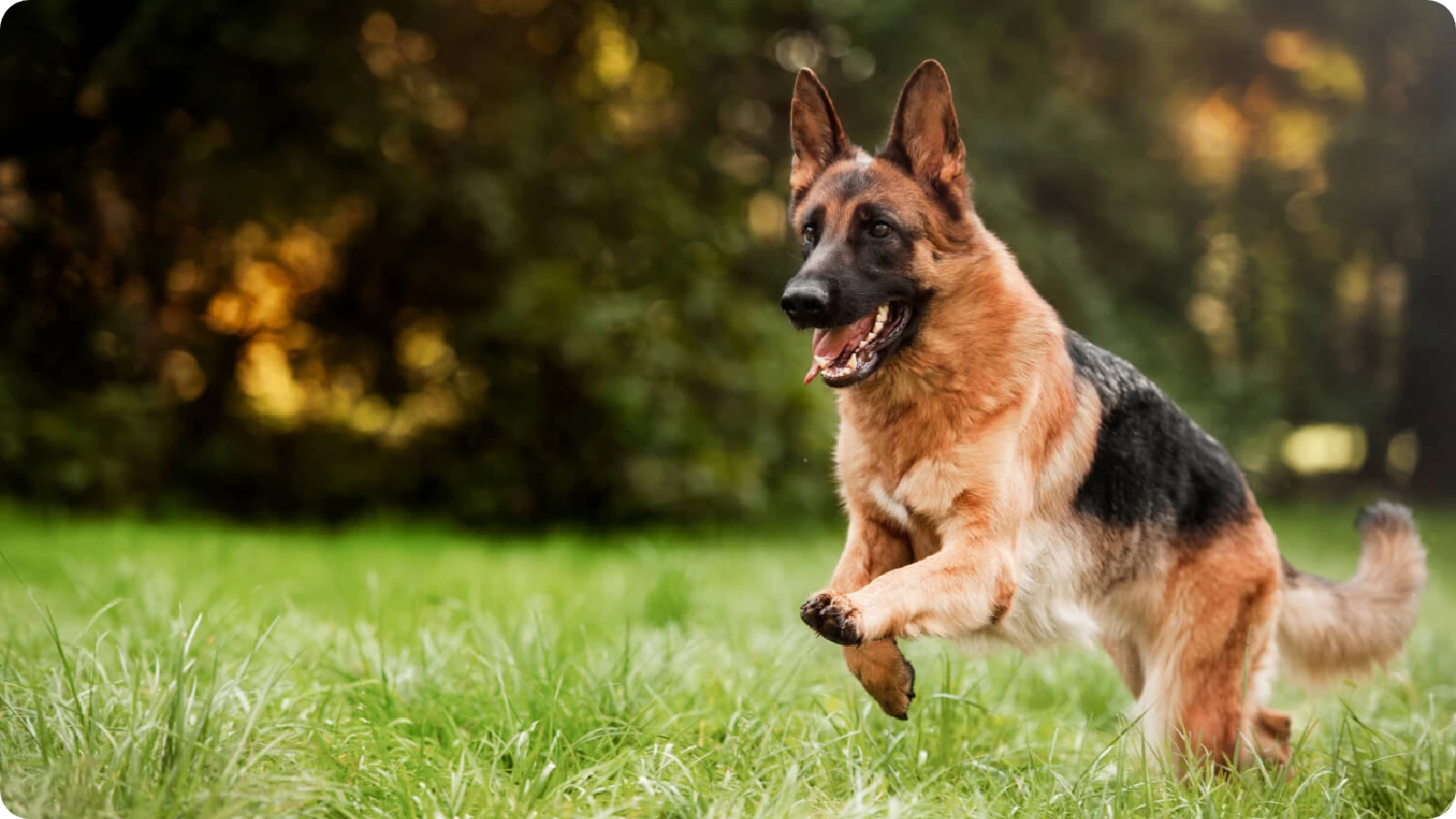
The German Shepherd is a large, muscular breed with a strong, athletic build. They have a distinctive noble appearance with a long, wedge-shaped head, erect ears, and a bushy tail that hangs down when relaxed but curls upward when alert.
German Shepherds have a dense double coat that comes in various colors, most commonly black and tan, but also sable, black, and white. Their coat provides excellent protection against harsh weather conditions.
Coat & Colors
Dense double coat in black and tan, sable, black, or white. Provides excellent protection against harsh weather conditions.
Build
Large, muscular body with athletic proportions. Wedge-shaped head with erect ears and bushy tail that curls upward when alert.
Distinctive Features
Erect ears, noble expression, and bushy tail. Known for their confident, alert posture and strong, athletic build.
Temperament & Behavior
German Shepherds are known for their intelligence, loyalty, and protective nature. They form deep bonds with their families and are highly trainable, making them excellent working dogs and family companions.
Highly Intelligent
German Shepherds are ranked among the top 3 most intelligent dog breeds, making them extremely trainable and capable of learning complex tasks quickly.
Protective Nature
They are naturally protective of their family and territory, making them excellent guard dogs while remaining gentle and loyal with their loved ones.
Family Friendly
German Shepherds are known for their devotion to their families, especially children, when properly socialized from a young age.
Important Note: Early socialization and consistent training are essential for German Shepherds to develop into well-rounded, confident dogs. They thrive on mental stimulation and physical activity.
Health & Care
German Shepherds are generally a healthy breed, but like all breeds, they are prone to certain health conditions. Responsible breeders will screen for common issues such as hip and elbow dysplasia, degenerative myelopathy, and bloat.
Grooming Needs: Regular brushing (2-3 times a week) to maintain their dense double coat. Heavy shedding occurs twice a year, requiring more frequent brushing. Bathing as needed, typically every 6-8 weeks.
Nutrition: High-quality dog food appropriate for their age, size, and activity level. Portion control is important to prevent obesity, especially as they age. Provide fresh water at all times.
Exercise & Training
German Shepherds are an active breed that requires plenty of daily exercise to stay physically and mentally healthy. They thrive on activities that challenge both their body and mind, such as obedience training, agility, and interactive play.
Activity Requirements
Daily exercise including long walks, running, and interactive play. They excel in dog sports such as agility, obedience, and tracking.
Training Approach
Positive reinforcement training with treats and praise. They respond well to consistent, structured training and thrive on mental stimulation.
History & Background
The German Shepherd breed was developed in Germany in the late 19th century by Captain Max von Stephanitz, who aimed to create the ideal working dog. He selected dogs for their intelligence, strength, and herding abilities.
German Shepherds gained international recognition during World War I when they were used as messenger dogs, rescue dogs, and guard dogs. Their exceptional performance in these roles led to increased popularity around the world.
Historical Significance: From herding sheep in Germany > World War I working dogs > Modern police and military service > Currently the #2 most popular breed in the United States (AKC 2022).
FAQ
Are German Shepherds good family dogs?
Yes, German Shepherds can make excellent family dogs when properly socialized and trained. They are loyal, protective, and gentle with children they know. However, their large size and high energy levels require an active family that can provide them with plenty of exercise and mental stimulation.
Can they live in apartments?
German Shepherds can adapt to apartment living if they receive sufficient daily exercise and mental stimulation. However, they are large, active dogs that thrive in homes with yards where they can run and play. Apartment living requires a committed owner who can provide at least 2 hours of exercise daily.
How much grooming do they require?
German Shepherds have a dense double coat that requires regular brushing, especially during shedding seasons (spring and fall). They should be brushed at least 2-3 times a week to remove loose hair and prevent matting. Bathing should be done as needed, typically every 6-8 weeks.
Do they get along with other pets?
German Shepherds can get along well with other pets when properly socialized from a young age. They have a strong prey drive, so early introduction and training are important for harmonious relationships with other animals.